Thursday, December 10, 2015

Easy Thrift Shop Garden Art Flowers

Easy Thrift Shop Garden Art Flowers

These easy garden art flowers are made from parts found at thrift shops and dollar stores. It is an good beginner project for those who love recycled or upcycled DIY crafts.


For more, also see How to Make Flowers from Dishes.


These easy garden art flowers are made from parts found at thrift shops and dollar stores.

I may receive a commission if you purchase something mentioned in a link on this post for sites including Amazon.com. Other links may go to websites where I have been paid to write a blog or article. See the entire disclosure here.


Easy Junk Art


Ages ago I had an email from a reader asking if I had ideas for using stove-top heating elements or coils (also known as ‘hobs’ in the UK) in a garden art project. I don’t have the name of the reader anymore (let me know if it’s you!), but several ideas came to mind and I finally made the easiest one.


I like this project because there is serendipity involved: all of the pieces fit together without any fuss. It’s like they were made to be together. You’ll see what I mean in the instructions below.


These easy garden art flowers are made from parts found at thrift shops and dollar stores.
Watch How It’s Done


Supplies and Materials


These easy garden art flowers are made from parts found at thrift shops and dollar stores.
For each flower you will need:

  • a stove-top heating element / coil / hob (the link goes to Amazon but please use an old one instead)
  • a wire hanging plant basket
  • a curtain rod (find one that fits the terminal on the stove element)
  • 2 cable ties (pick a colour that matches your paint colours)
  • spray paint-exterior, all-purpose (I used yellow, white, and green like a daisy)

Check Before You Buy


When getting your materials, be sure that they work together:


  1. The terminals of the stove element must fit snugly into an open end of the curtain rod (may need a bit of convincing with pliers).
  2. The stove element must fit nicely inside the wire basket.

If both work, you’re good to go.


How to Make Stove Element Garden Flowers


1 Spray Paint


Spray paint the stove element (yellow), wire hanging basket (white), and curtain rod (green).


I picked colours to represent a daisy but you could pick any flower you like and use those colours, of course.


These easy garden art flowers are made from parts found at thrift shops and dollar stores.

Follow the instructions on the spray paint can. You will get best results if you shake thoroughly first, spray with the can in an upright position, and keep the recommended distance while spraying.


These easy garden art flowers are made from parts found at thrift shops and dollar stores.
I like to do thin layers and allow them to dry thoroughly between coats.

Spray into a cardboard box outdoors to protect your yard (and the life in it) and shield from the wind.


These easy garden art flowers are made from parts found at thrift shops and dollar stores.
2 Assemble Flower

These easy garden art flowers are made from parts found at thrift shops and dollar stores.

Use cable ties to secure the stove-top heating element to the wire basket. The elements I used had openings on the underside that lined up nicely with the basket wires.


These easy garden art flowers are made from parts found at thrift shops and dollar stores.
Slide the terminal ends of the stove element into the curtain rod.

If your curtain rod has a curved end, put on safety gloves, and bend it back and forth repeatedly to weaken the metal until it breaks off.


Done!


These easy garden art flowers are made from parts found at thrift shops and dollar stores.

If you like projects like this, be sure to sign up for the free newsletter for a fresh batch of creative gardening ideas every two weeks.


Love coneflowers? Make your own giant coneflowers here!


~Melissa the Empress of Dirt ♛


DIY thrift shop garden junk flowers

Original article and pictures take empressofdirt.net site

Wednesday, December 9, 2015

Easy Moss Wreath for Spring

Easy Moss Wreath for Spring
Easy Spring Moss Wreath

Moss Wreath for Spring


This easy DIY wreath is a perfect spring welcome for your front door. Use simple items from the Dollar store to create it and you’ll be able to make this wreath for less than $10!


Find out what supplies you’ll need to make this adorable Moss Wreath for Spring in this super easy tutorial.


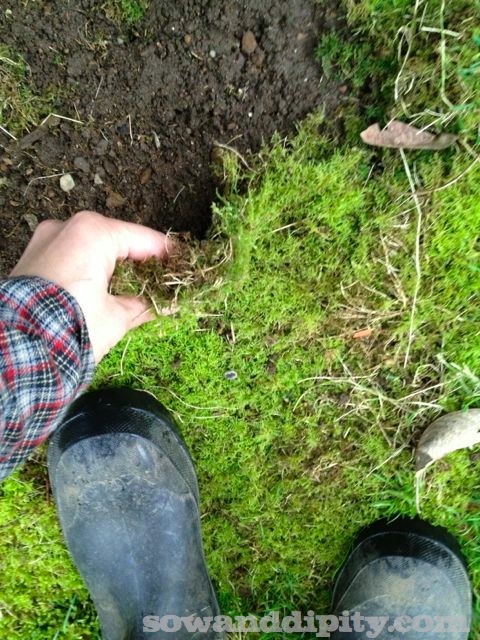
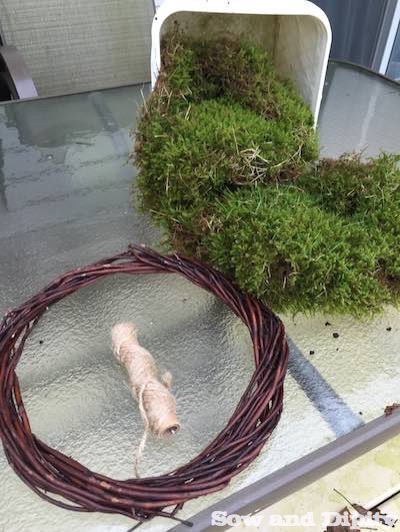
I bought the grapevine wreath and birds nest from the dollar store. If they don’t have these, a craft store or Michaels definitely will. I don’t kill my moss off in my garden, I harvest it for projects like these!


Harvest your own moss

If you don’t have moss growing in your yard, you can get a small bag from a garden center or use the dried moss you can get at the craft store.


Easy Spring Moss Wreath supplies

Go around the wreath form with your moss and use some twine to wrap it to hold it in place.


Once you are done, then push some faux flowers into the wreath and secure them with wire or twine. These flowers were on sale at Michaels for 40% off so they didn’t cost me much at all!


Easy Spring Moss Wreath with nest

After I had my flowers where I wanted them, I wired in my mini birds nest to rest among the stems.


To add a splash of color, tie on pretty pink ribbon bow with a loop for hanging.


Easy Spring Moss Wreath

That’s it! Now I can hang this on my door or use it in an Easter Vignette. Have fun making this super easy and fun Moss Wreath for Spring.


Psst… did you know that I am now a regular contributor to Stimuli Magazine? Check out more amazing decor ideas, recipes and beauty tips here: http://www.stimulimag.ca


Peace Love Garden


Original article and pictures take www.sowanddipity.com site

Tuesday, December 8, 2015

Easy Garden Obelisk

Easy Garden Obelisk

Easy Garden Obelisk – a great and inexpensive DIY!


Happy day to you…my friends.

It is time for another garden project.

An easy garden obelisk


Easy DIY Garden Obelisk, www.flowerpatchfarmhouse.com

Why do I call it easy???

Because unlike all the obelisk plans I found online this one has no angle cuts.

Since it is going in the garden and I plan on it being covered with something that climbs I did not care if edges matched up precisely or were perfectly mitered.


I wanted fast and easy…

Want to see how we built it?

The photos are not the best but I had to take them in less than optimum light.

Materials:


  • 8 – 8 ft 2 x 2’s (I think these are pine or fir)
  • 3 inch wood screws
  • Wood Glue

Cut 4 – 2 x 2’s @ 72 inches long (legs)(you can adjust to height you wish)

Rungs for ladders:


  • 2 @8 inches,
  • 2 @11 5/8 inches,
  • 2 @ 15 5/8 inches,
  • 2 @19 3/4 inches,
  • 2 @ 24 inches

Second set of rungs to attach ladders together:


  • 2 @ 1 1 inches,
  • 2 @ 14 5/8 inches,
  • 2 @ 18 5/8 inches,
  • 2 @ 22 3/4 inches,
  • 2 @ 27 inches

Now that you have your pieces cut you are going to build a ladder.

Lay 2 of the 72 inch pieces on a flat table.

We used the edge of the table as a straight edge.


build an easy obelisk

Measure up 6 inches from the bottom of both legs for placement of the bottom rung or crosspiece.


build an easy obelisk

Fasten the rung to the legs. (24 inch piece) I would recommend pre-drilling but my husband cheats.

When I make the next one I will pre-drill.

He is screwing in at an angle to prevent splitting (it does not always work, shh don’t tell him I told you)

Since the legs are at an angle and the cross pieces are cut square we only line up the top corner to the edge of the leg. The gap you can see will be covered later.


build an easy obelisk

We start with the lowest rung then attach the top rung. (8 inch piece) Same deal, again match up the top corner.


build an easy obelisk

Here is a better photo of lining up the rungs to the leg edges.


build an easy obelisk

Check for square, you do that by taking measurements on the diagonal and adjusting the legs until the measurements match as closely as possible.

The adjusting is called racking, you push on the corner that has the longer dimension (if they don’t match) by half the distance.

(clear as mud??)

example: If one side is 1/2 inch longer push the corner a 1/4 inch then re-measure (it is not an exact science but it will bring it closer to square) Keep racking until dimensions are equal or very close.


build an easy obelisk

Now attach your other cross pieces or rungs.

We measured from the bottom of the bottom rung and the top of the top rung (hook your measuring tape on the bottom rung and pull it to the top of the top rung and read) We divided that measurement by 4 to get our placements for the rungs.

Ours were 16 1/4 inches apart.

We marked the spots for each rung.


build an easy obelisk

The placements of the rungs is from the bottom rung at 16 1/4”, 32 1/2” 48 3/4” (see sketch at bottom of page)

Now you should have your first ladder built.

The really sweet part of this is the next ladder will be a piece of cake.

Use the first one as a template. No measuring or figuring this time.


build an easy obelisk

Lay your 2 x 2’s right on the ladder you just built. Just whip along matching board for board and your second ladder will be complete in no time.


Build an Easy Obelisk

Now lay your ladders on their sides to attach the side rungs.


Build an easy obelisk

This set of rungs are 3 inches longer than the ladder rungs, they will overlap the first set as you see in the photo.


build an easy obelisk

Attach the remaining rungs to the opposite side and voila’ an easy trellis obelisk


build an easy obelisk

You can attach a top plate with a fancy topper but I did not have one.

I have considered cutting out a silhouette of a flying pig and attaching it.

Maybe make it a weather vane but that is for another day.

Now paint it whatever color you wish. I would recommend painting or using a protective oil (tung oil) on this since is it just pine.

If it was redwood or cedar you could just let it weather.


DSC_0001-001

Current price at our local lumberyard for 8 foot 2 x 2’s is $2.30 each.

So the total for this project for the lumber was about $20.

We had the 3 inch screws on hand and I drug out an old can of spray paint.

Now I just need to build a couple more and I am set.


Here is a rough sketch of the first ladder if a visual will help you.


obelisk

It is all downhill after you get the first side built.

Happy building.


For a downloadable PDF of this post please CLICK HERE


signaturePamela_thumb.png

If you enjoyed this Please PIN and share!


Easy to build DIY Garden Obelisk for $20, FlowerPatchFarmhouse.com

Original article and pictures take www.flowerpatchfarmhouse.com site

Sunday, December 6, 2015

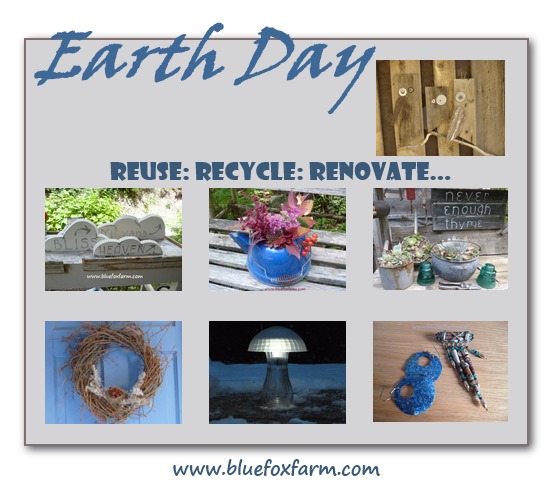
Earth Day

Earth Day

Recycle, Reuse and Renovate...


Jacki Cammidge is a participant in the Amazon Services LLC Associates Program, an affiliate advertising program designed to provide a means for sites to earn advertising fees by advertising and linking to amazon.com. Other links on this site may lead to other affiliates that I'm involved with, at no extra cost to you.


Using junk is a great way to show the earth we love her; keeping trash out of the landfill and in our gardens as innovative garden art is the perfect way to celebrate Earth Day.


Earth Day is April 22...do your part...make some Earth Day Projects...
13Save

If you're already a junquer, making great garden art out of things that others throw away, you have a head start. I've been intrigued with this form of recycling for years, long before it became the thing to do, and I've been trying to save the earth single handedly ever since.


Now, you can do your part and love the results. Check out the crafts below for more; click on the pictures;


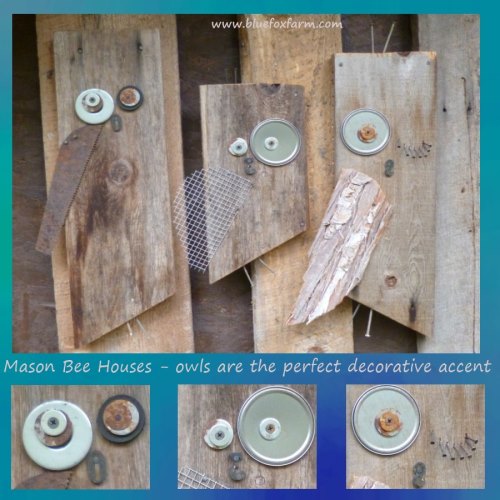
Make a Mason Bee House out of scraps of lumber, salvaged from the burn pile. Encourage the solitary bees to stick around in your garden by giving them somewhere safe to raise their young;


Find out more about Mason Bee Houses...
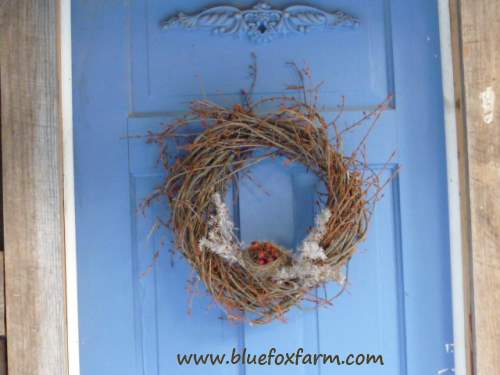
Celebrate the bounty of nature with a twig wreath, the more rustic, the better;

Rustic Twig Wreath - show your love of Mother Nature...
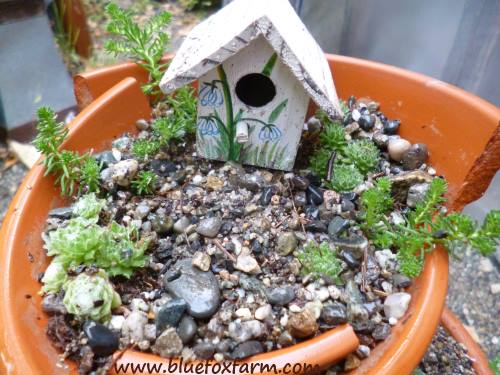
Terracotta fairy gardens are all the rage; take something that would otherwise go in the trash, and refurbish it into something totally unique and wonderful;

Terracotta pots don't have to be thrown in the trash...

Old T-Shirts can be recycled too; find out how I take t-shirts from the thrift store (or your own pre-loved ones that still have some life in them) and make them into a Hillbilly dress;


Make a Hillbilly Dress or two...
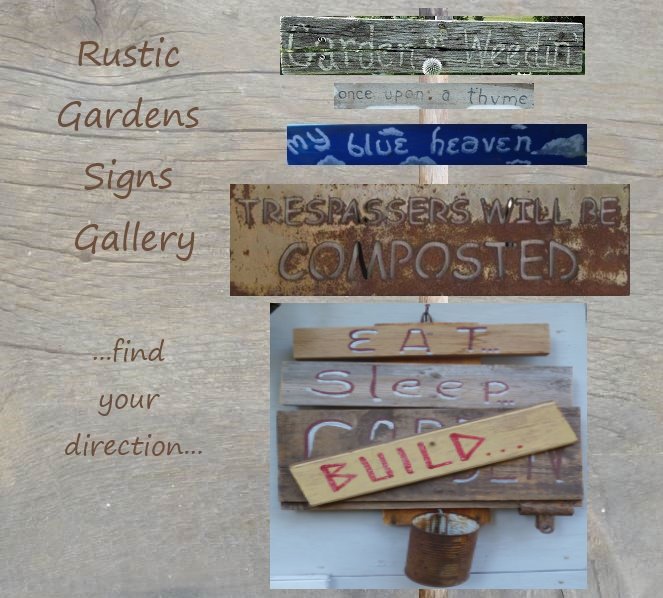
Rustic punny signs can be a great way to recycle scraps of lumber too;

Paint a rustic Garden Sign...

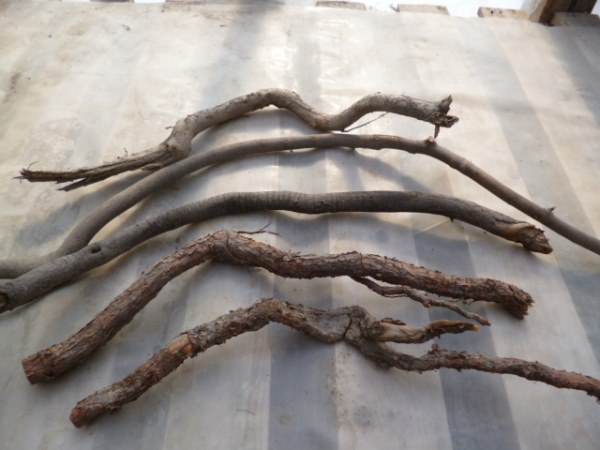
Twig handles combine natural materials with simple wooden boxes and make them into something completely unique and unusual; take your rustic crafts to the next level;


Rustic and wiggly twigs make perfect handles...
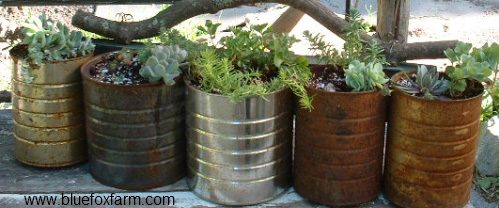
Tin cans quite often end up in the landfill; don't let that happen to yours. Finding ways to recycle outside the box;

Tin Can Planters...
Tin Can Planters...

There are a few Earth Day projects that can make you feel good about helping to save the planet; I plan on finding a few ways to enjoy and celebrate mother earth that won't break the bank, and will keep that trash where it belongs - in your garden.


Find out more about the How to be Creative Guide
Find out more about the How to be Creative Guide or sign up below - it's free!

Thrift Store Finds


Rustic Salvage


Original article and pictures take www.bluefoxfarm.com site

Wednesday, December 2, 2015

Dried Lavender Wreath

Dried Lavender Wreath

It’s no longer possible to deny that seasons are changing so perhaps it’s best to start winding down along with the temperatures and light. Hanging a dried lavender wreath around the garden could be just the aromatherapy needed to help decompress after a long day, or perhaps it will just make you smile. Regardless, this lavender wreath is a quick weekend project that will leave you calm enough for an afternoon read or a good night’s sleep.


This DIY dried lavender wreath looks great on the red door of my garage. Plus it smells like heaven!!
Lavender Wreath on Red Door

Also, see this post for more information on Harvesting English Lavender & How To Use It.


Materials:


  • wire coat hanger
  • scissors
  • twine or wire (in a color that matches your flowers*)
  • dried lavender

Instructions:


The best part about this project is that you don’t need any special materials beyond what you can likely find around the house. Start by bending a wire coat hanger into a circular form. The hook of the hanger will be hidden when the wreath is complete, and it makes it easy to hang the wreath when finished.


Coat Hanger Wreath Form

Gather a bunch of dried lavender and snip the ends with the scissors to get a nice neat edge. Secure the bunch to the form by winding the twine around it a few times and tying a knot. (*We’ve used green gardening wire for demonstration purposes, but a twine or wire colour that matches your dried flowers will have a much cleaner look in the end.)


Lavender Wreath DIY

Leaving the twine on the roll, wind each new bunch to the form as they are added. Continue adding bunches until you complete the circle. Tuck a final bunch under the first bunch, and secure with twine and tie off.


Finished Lavender Wreath

Be sure to work on a table or tarp where you can collect the dried flowers that fall off in the wreath-making process. Those wonderfully scented blooms are great for lavender sachets, cooking, or soap-making. We keep a big jar in the house over winter for a variety of uses.


18 Soothing Ways to use Lavender at Home - plus how to harvest it

Original article and pictures take gardentherapy.ca site

Tuesday, December 1, 2015

Dried Flowers

Dried Flowers

What better way to extend your garden’s harvest than by preserving flowers for future use and creative endeavors. Gathering flowers and leaves of multi colors and forms will guarantee you a supply of materials for future creations.


Fun Ways to Dry your Flowers with Sensible Gardening
Gathering Your Flowers

Probably the best place to collect materials for drying fresh flowers is your own garden and surroundings, therefore you will have to get to know your plants. The best way to do this is to observe them throughout the growing season and to experiment. You will begin to observe your flowers in a new light, seeing a multitude of colour shades, textures and forms. You can also use material from florists and dried flower suppliers. This source will enable you to gather material that is different or normally unavailable in your area.


Dried Flowers with Sensible Gardening

You can also use material from florists and dried flower suppliers. This source will enable you to gather material that is different or normally unavailable in your area.


Dried Flowers with Sensible Gardening
Harvesting your Flowers

When harvesting your plants you will soon discover that each plant has it’s own requirements, however there are some general guidelines to follow. Pick your flowers just before their blooming peak and then quickly dry them. This will help to maintain the flower’s color. Early morning may be the best time but wait until the dew has evaporated, and if it has rained wait until the moisture has dried. Next step is to remove the leaves from the stems.


Air Drying


The easiest way to preserve fresh flowers is by air drying. Collect and bundle your flower stems, tie with ribbon or rubber bands and hang upside down in a dark, dry, warm, well air circulated area. Some material such as cones, strawflowers and pods should be placed on layers of wood or screens in a similar environment. Drying times will vary on the plant material used and the drying conditions. For heavy slow drying material air circulation is essential to avoid molding. Using a fan can be very helpful. Once dried, store your dried flowers in a similar environment in boxes to avoid light and moisture.


Dried Flowers with Sensible Gardening
Pressing Flowers and Leaves

Once pressed, flowers can be used to create pictures for framing. Your collected material must remain flat while moisture is drawn from it. Two layers of newspaper or paper towel between your material and heavy books will do the trick. You can also use a flower press. Leaves and single petaled flowers are particularly good for this application and should take about seven to ten days to dry.


flower-picture-143498_640
Using Silica Gel

You can also preserve cut flowers using silica gel which will dry your flowers in about one week. Trim the flower stem to about one inch and place the bloom face up in a shallow box. Pour in enough silica gel, which can be purchased at any craft store, just deep enough to cover the flowers. Pour silica around and into the flowers taking care to support the petals in a natural form. Add more silica around the flowers until they are completely covered. For flat flowers such as daisies, dry the flowers face down with the stem sticking up. Store your flowers in air tight containers.


Dried Flowers with Sensible Gardening
Microwave Drying

For the modern world you can also use your microwave to dry blooms. Flowers are heated for up to several minutes then let to set overnight. You will have to experiment with the timing to get it right.


Share on Pinterest:


Fun Ways to Dry your Flowers with Sensible Gardening
(some photos are from Pixabay)

Tagged dried flowers, drying fresh flowers, preserve cut flowers, preserve fresh flowers, preserving flowers, pressing flowers


Original article and pictures take sensiblegardening.com site